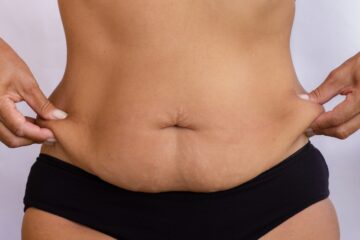
 Liposuction is not a procedure intended to address loose, excess, or redundant skin, so sculpting your body contours in the midst of existing skin laxity requires careful planning. While many patients focus on how much fat can be removed during liposuction, an equally important component is the condition of the skin after surgery as the body reacts to your newly reshaped contours. Common questions patients often have for board-certified Philadelphia plastic surgeon David Bottger, MD is whether the skin will tighten on its own, as well as whether additional treatment is necessary. Below, Dr. Bottger explores how the skin responds to liposuction, what influences skin retraction, and the treatment options available when loose skin is a concern.
Liposuction — Designed for Fat Removal, Not Skin Tightening
Liposuction is designed to remove excess fat cells from targeted areas of the body using a thin cannula, vacuum-assisted suction, and other advanced techniques meant to break down fat cells. However, it’s important to understand that traditional liposuction does not directly tighten skin. The procedure addresses the subcutaneous fat underneath the skin, not the skin itself.
After fat is removed, the skin must contract and adapt to your new contours on its own. For this reason, the best candidates for liposuction typically already have good skin tone and elasticity. In general, good skin elasticity depends on:
- Age: Younger patients generally have more collagen and elastin in their skin, making natural tightening more likely. As we age, these structural proteins decrease, reducing the skin’s ability to retract.
- Amount of Fat Removed: Removing a small to moderate amount of fat is less likely to overwhelm the skin’s ability to tighten. Large-volume liposuction can increase the risk of loose skin, particularly in areas prone to sagging.
- Quality of Skin: Skin that has been stretched due to weight fluctuations or pregnancy may not rebound as well. Sun damage and smoking also negatively affect skin quality and healing.
- Genetics: Some people are simply born with better skin elasticity than others. Genetics play a major role in how your skin behaves after any body contouring procedure.
- Treatment Area: Certain areas of the body, such as the neck, arms, and inner thighs, are more prone to skin laxity than others. The abdomen may tighten well in some patients, while others experience sagging.
When Will the Skin Tighten After Liposuction?
Skin tightening after liposuction does not happen overnight. Immediately after surgery, swelling can make the skin appear loose or uneven. Over the next several weeks, swelling gradually subsides, and the skin should begin to retract. Most patients see continued improvement for three to six months, and in some cases up to a year.
Who is Not a Good Liposuction Candidate?
Liposuction alone may not be the best solution if you already have significant skin laxity. Patients who have experienced massive weight loss, multiple pregnancies, or long-term obesity often have excess skin that cannot tighten adequately on its own.
In these situations, removing fat without addressing the skin can actually make laxity more noticeable. This is why a thorough consultation with a board-certified plastic surgeon is critical to assess whether liposuction alone will achieve your goals or if additional procedures should be considered.
Complementing Liposuction with Skin Tightening Procedures
For patients with moderate to severe skin laxity, combining liposuction with a skin lifting procedure often delivers the best results. Common examples include:
- Tummy tuck (abdominoplasty) for loose abdominal skin
- Arm lift (brachioplasty) for sagging upper arms
- Thigh lift for excess skin along the inner or outer thighs
- Neck lift or lower facelift for loose skin in the jawline and neck
In these cases, liposuction is used to improve contour, while surgical excision removes excess skin and creates a smoother, firmer appearance.
Liposuction can be transformative when performed on the right patient, and for the right reasons. If loose skin is a concern, it’s essential to address skin inelasticity upfront rather than hoping it will resolve on its own. Your needs and goals will determine whether liposuction alone, fat removal with a skin tightening procedure, or a combined surgical approach is best for the results you envision.
There are many methods of body contouring that can reveal a slimmer, sleeker, and more sculpted figure, but knowing the right technique to address your unique concerns can be difficult. Dr. David Bottger prioritizes open communication and strong patient education to help ensure men and women in Philadelphia have realistic expectations for their procedure. Don’t hesitate to contact Dr. Bottger today to schedule a consultation for skin tightening or to speak with our office team.